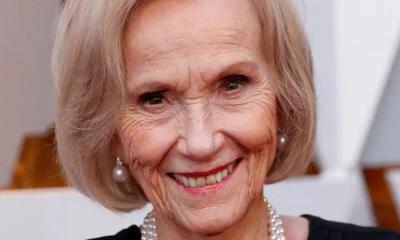
Oscar-winning American actress Eva Marie Saint, renowned for her performances in On the Waterfront and Alfred Hitchcock's North by Northwest, has died at the age of 102. The Hollywood legend passed away from natural causes at her home in Los Angeles on October 6, 2026, according to her spokesperson. Her death marks the loss of one of the last surviving stars of Hollywood's golden age, leaving behind an extraordinary career spanning more than six decades. Born on July 4, 1924, in Newark, New Jersey, Saint developed an interest in acting while ' ...
read more
Award-winning Bangladeshi cinematographer Joaher Musavvir Jyoti is known for his work on Roid, Pressure Cooker, Jaya Aar Sharmin and A House Named Shahana. Having studied filmmaking and cinematography in Prague, he works across South Asia and Europe, bringing a distinctive sensitivity to light, landscape, atmosphere and human emotion. His work has reached international audiences through festivals including the International Film Festival Rotterdam (IFFR), SXSW London, Sitges, and Raindance. He received the Best Cinematography award for Roid at the 2026 Mosaic International Film Festival in Canada. In conversation with Md ' ...
read more
On 5 October 1864, Louis Lumière was born in Besançon, France. More than a century and a half later, his name is still closely tied to the earliest days of cinema. Together with his elder brother Auguste, Louis helped turn moving images from a technical experiment into something people could sit together and watch on a screen. The Lumière brothers grew up around photography. Their father, Antoine Lumière, was a photographer who later built a successful photographic business in Lyon. Louis showed a strong interest in the technical side of photography ' ...
read more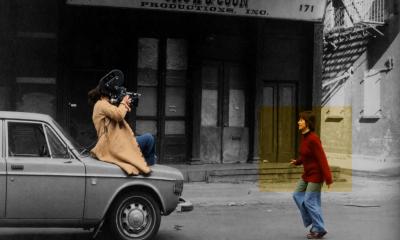
The first time I properly watched Jeanne Dielman, 23 quai du Commerce, 1080 Bruxelles, I remember wondering when I would stop noticing the time. A woman was preparing food, clearing a table, moving through her apartment, doing things that most films would either cut away from or compress into a brief montage. Nothing, at least in the conventional sense, seemed to be happening. And yet after a while I found myself watching with an odd degree of attention. A small delay mattered. A gesture felt different. Silence became uncomfortable. It ' ...
read more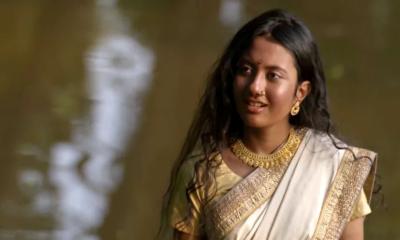
Bangladeshi filmmaker Chaitali Somadder’s short film Mariyam has continued its international festival journey with a screening at the Religion Today Film Festival in Italy, adding another overseas platform to a film that has already received recognition at home and abroad. The 30-minute Bengali short centres on Mariyam, a 14-year-old schoolgirl living in a village, whose life and family are devastated after she becomes the victim of sexual violence. A video of the assault is subsequently circulated online, exposing the family to social isolation and pressure from within the community. The story ' ...
read more

Cut to Cinema is a monthly magazine published from Dhaka, dedicated to exploring the world of film. Each issue dives into the latest releases, highlights visionary filmmakers, and examines the evolving trends shaping both global and local cinema. We invite you—our passionate readers—to join us on this cinematic journey.
View All Issues